
Why Nissan Maintenance Milestones Matter

Taking care of your Nissan goes beyond just fixing problems; it’s about proactively protecting its performance and extending its life through scheduled service. Like any finely tuned machine, your vehicle operates best when its maintenance rhythm is respected. Ignoring these crucial timing points can lead to preventable issues down the road.
A common question is: “Is scheduled maintenance necessary if my car seems fine?” The answer is a definite yes. Even seemingly minor omissions, like skipping oil changes or fluid checks, can cause unseen wear, eventually leading to breakdowns. Given the diverse range of Nissan car models available, each with its own specific service requirements, adhering to these schedules is paramount.
Furthermore, routine maintenance is often essential for maintaining your warranty coverage. Many owners are surprised to learn that missing even a single major service interval can impact their warranty. Therefore, keeping a consistent service log isn’t just good practice—it’s often a requirement.
Let’s look at some key service milestones for most Nissan models:
Every 5,000 to 7,500 Miles: The Foundation of Care
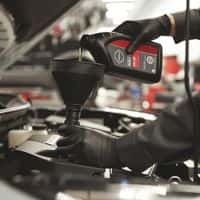
This interval typically calls for an oil change, which is crucial for reducing engine friction and maintaining consistent performance. Alongside this, a comprehensive inspection is usually performed, including checks on your brakes, tires, fluid levels, and battery health.
If you’ve ever wondered, “How often should I change the oil in my Nissan?” This range is the general guideline. However, more frequent oil changes might be necessary if your driving often involves hilly terrain or heavy traffic, which is common around areas like Highlands Ranch or driving into Denver.
These visits often include vital yet straightforward tasks like topping off windshield washer fluid and checking tire pressure, both of which contribute significantly to visibility and safety. Being proactive at this stage is an excellent way to prevent premature wear.
Around 15,000 Miles: Expanding the Scope
 By this point, tire rotation becomes important (if not done earlier). Regular tire rotations promote even tread wear, which helps maximize the life of your tires. Additionally, the cabin air filter likely needs replacement to maintain clean airflow through your vents, a noticeable benefit during both hot Colorado summers and cold, dry winters.
The question of whether tire rotation is truly necessary often arises. Absolutely—it can be the difference between replacing all four tires at once or just a pair.
This service visit also provides a good opportunity for a visual inspection of your brake pads. While replacement might not be immediately needed, early detection of uneven wear can lead to cost savings in the future.
30,000 Miles: Deeper System Checks
At this stage, most Nissan models benefit from a more thorough check. The engine air filter should be replaced to ensure optimal engine breathing, and brake fluid might also require flushing to maintain responsive braking.
Drivers frequently ask, “Is brake fluid replacement really that important?” Yes, because brake fluid can absorb moisture over time, diminishing braking effectiveness and causing internal corrosion. Your fuel system may also be inspected and cleaned, particularly if you’ve noticed a rough idle or a decrease in fuel efficiency.
The service team might also assess your vehicle’s battery performance, especially if it’s been more than two years since the last check. Cold mornings and short trips can strain your battery without obvious signs.
60,000 Miles: Significant Milestones
Reaching 60,000 miles signifies a significant period of ownership, with your Nissan likely experiencing numerous seasonal changes. This is a prime time for a transmission fluid exchange, especially in models with automatic or CVT transmissions. Fresh fluid helps ensure smooth shifting and protects internal components from wear.
Spark plug replacement is also typically recommended at this interval. Worn spark plugs can lead to sluggish acceleration or difficulty starting the engine. While some spark plugs can last up to 100,000 miles, many Nissan models benefit from replacement around this point.
Another important consideration at this juncture is your vehicle’s cooling system. A radiator flush can help prevent overheating, especially during hot Colorado summers or extended highway driving.
75,000 Miles and Up: Focusing on Longevity
 As your Nissan ages, consistent routine checks become increasingly vital. Belts, hoses, and suspension components should all be carefully inspected. These are often overlooked until a failure occurs, but proactive maintenance can prevent unexpected breakdowns. This method not only helps your Nissan perform at its best but also gives you greater confidence in managing your vehicle’s long-term health.
This is also when resale value often becomes a consideration for drivers. A well-documented service history significantly contributes to maintaining the value of Nissan models, giving future buyers confidence. Some even request to see service records before making a purchase.
Furthermore, rust prevention and underbody inspections can be beneficial at this stage, particularly if you’ve driven on roads treated with salt during winter. A small investment in prevention now can minimize future repair costs.
Custom Intervals for Different Nissan Models
It’s important to remember that not every Nissan model adheres to the exact same maintenance schedule. For example, the Nissan Rogue will have different needs than the Nissan Pathfinder or the all-electric Nissan Leaf. Electric vehicles don’t require oil changes, but they do necessitate more frequent brake inspections and battery health evaluations.
If you’re wondering, “Do electric Nissan models require less maintenance?” The answer is generally yes, but they still require attention. Software updates, coolant checks, and tire maintenance remain important. Hybrid models like the Nissan Ariya have unique maintenance schedules that combine elements of both electric and traditional vehicles.
For the most reliable guidance, consult your owner’s manual or speak with a certified technician familiar with the unique needs of your Nissan model. Many newer models even feature digital maintenance reminders for added convenience.
Why Servicing at McDonald Nissan Matters
At McDonald Nissan, our local technicians have an in-depth understanding of your specific Nissan model, the local climate, and your driving demands. For your peace of mind, we exclusively use genuine Nissan parts and strictly follow factory maintenance schedules, ensuring optimal performance and longevity for your vehicle.
Scheduling service is easy online, and our advisors are here to clearly explain necessary maintenance, discuss future needs, and help you manage your service budget. We believe that the expertise and meticulous care you receive at our dealership are invaluable for maintaining your Nissan’s health and your peace of mind.
With every service visit, you’ll also benefit from service reminders, digital vehicle health reports, and comprehensive multi-point inspections. Taking a proactive approach allows you to make smart choices about your vehicle’s care while helping you plan ahead for maintenance and avoid surprise expenses.
Stay Ahead with the Right Maintenance Plan
Regular checkups are key to ensuring your Nissan performs as well at 80,000 miles as it did at 8,000. Adhering to the recommended maintenance timeline makes a significant difference, whether you drive a Nissan Sentra or a powerful Titan.
If you’re unsure about your vehicle’s current maintenance status, please don’t hesitate to visit McDonald Nissan or give us a call. Our team is ready to help you determine what services are needed and keep you one step ahead of any potential issues.
Schedule your next service appointment with McDonald Nissan today and enjoy the confidence that comes with knowing your car is in the care of experts.

0 comment(s) so far on Why Nissan Maintenance Milestones Matter